
Volume play in architecture is a powerful design approach that goes beyond simple floor planning, shaping how space is experienced, perceived, and lived in. Rather than treating buildings as flat, two-dimensional layouts, architects use volume to create depth, hierarchy, and spatial richness.
In today’s design landscape, where clients seek both functionality and experience, volume play has become a defining element of modern architecture. From residential homes to commercial environments, it introduces openness, enhances natural light, and creates meaningful connections between spaces.
Many Top Architecture Firms in Ahmedabad are embracing this approach to design spaces that are not only efficient but also emotionally engaging and visually dynamic.
Understanding Volume Play in Architecture
At its core, volume play refers to the thoughtful manipulation of three-dimensional space. It involves varying heights, creating voids, and layering spaces to break away from rigid, box-like structures.
Instead of designing rooms in isolation, volume play allows spaces to interact with one another—visually and physically. This results in architecture that feels fluid, breathable, and connected.
Key elements often include:
- Double-height volumes
- Internal courtyards
- Split-level planning
- Interconnected spaces
- Voids and cut-outs
Each of these strategies contributes to a more dynamic spatial experience.
Double-Height Spaces: Creating Openness & Visual Drama
One of the most impactful tools in volume play is the use of double-height spaces. These volumes immediately transform the scale of a space, making it feel expansive and inviting.
A double-height living area, for example, not only enhances visual appeal but also improves the quality of light and air within the space. Natural light penetrates deeper, while warm air rises, promoting better ventilation.
Beyond functionality, these spaces act as visual anchors. They connect different levels of a home, allowing interactions across floors and creating a sense of unity. Even in compact homes, a well-placed double-height volume can introduce a feeling of luxury and openness.

Courtyards: The Climatic and Spatial Connector
Courtyards are a timeless expression of volume play, especially in climates like Ahmedabad. By carving out a void within the built form, courtyards act as breathing spaces that regulate temperature and airflow.
They create a microclimate that cools surrounding areas while bringing in natural light. More importantly, they establish a strong indoor-outdoor relationship—blurring the boundaries between built and unbuilt spaces.
Courtyards also introduce moments of pause within the architecture. Whether used as green pockets, sit-out areas, or light wells, they enhance both environmental performance and spatial experience.

Staggered Volumes: Breaking the Rigidity of Plans
Another subtle yet effective strategy is staggering volumes within the plan. Instead of aligning all spaces linearly, architects shift masses to create layered and interlocking spaces.
This approach generates:
- Semi-open terraces
- Spill-out zones
- Transitional areas
These in-between spaces often become the most interactive and versatile parts of a design. They allow flexibility in use and create a sense of movement within the architecture.
Staggered volumes also help optimize site usage, especially in urban contexts where space is limited.
Light & Shadow: The Invisible Design Element
Volume play directly influences how light behaves within a space. Open volumes, voids, and varying heights allow natural light to enter from multiple directions.
As light moves throughout the day, it creates patterns of shadow and brightness that add depth and character to interiors. This ever-changing quality makes spaces feel alive and dynamic.
Carefully designed openings—such as skylights or large windows—can further enhance this effect, reducing reliance on artificial lighting while improving the overall ambiance.
Benefits of Volume Play in Architecture
1. Enhanced Spatial Experience
Volume play elevates how a space feels. It introduces scale, drama, and variation, making interiors more engaging and memorable.
2. Improved Natural Ventilation
By creating vertical connections and open volumes, air can circulate more efficiently. This is especially beneficial in warm climates.
3. Better Daylight Utilization
Natural light reaches deeper into the building, reducing energy consumption and creating healthier living environments.
4. Visual Connectivity
Spaces feel more connected, even across different levels. This strengthens interaction and improves spatial flow.
5. Higher Design Value
Projects that incorporate volume play often stand out in the market, offering a premium look and feel.
Real Design Impact Across Project Types
Residential Architecture
In homes, volume play is often used in living areas, staircases, and entrance foyers. These spaces become focal points that define the overall character of the house.
Commercial Spaces
Retail stores, offices, and showrooms benefit from open volumes that enhance visibility, movement, and user experience. Large volumes also help establish a strong brand identity.
Hospitality Design
Hotels and resorts use volume play to create grand lobbies, atriums, and interconnected spaces that leave lasting impressions on visitors.
This widespread application shows how volume play is not just an aesthetic choice, but a functional and experiential one.
Integrating Volume Play with Materials
The impact of volume play becomes even more powerful when paired with the right materials. Natural and locally sourced materials add warmth, texture, and authenticity to large volumes.
For example:
- Terracotta surfaces enhance earthy aesthetics
- Natural stone adds solidity and timelessness
- Wooden elements bring warmth to tall spaces
- Tiles from regions like Morbi introduce texture and detail
These materials help balance the scale of large volumes, making them feel more human and grounded.
Designing Volume Play with Expertise
While volume play offers immense potential, it requires careful planning and execution. Structural considerations, climate response, and spatial balance must all be addressed.
Poorly designed volumes can lead to:
- Excessive heat gain
- Inefficient space usage
- Higher construction costs
This is why working with experienced designers is essential. Firms like The Design Umbrella bring a thoughtful approach to volume play—ensuring that every space is both functional and visually compelling.
Real Project Spotlight: The House With Butterfly Wall
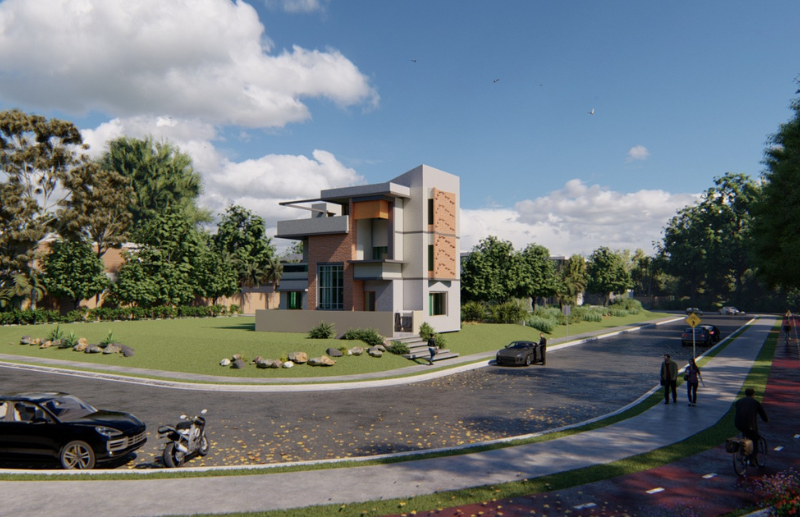
A strong example of volume play in residential architecture can be seen in The House With Butterfly Wall. This project reflects how thoughtful spatial planning and layered volumes can transform a home into a dynamic and experiential living environment.
The design uses interconnected spaces, varying heights, and open visual connections to create a sense of openness and movement throughout the residence. The signature butterfly wall element acts as both a sculptural feature and a spatial connector, adding depth, identity, and visual rhythm to the architecture.
Natural light flows seamlessly through the open volumes, enhancing brightness and creating changing patterns of light and shadow across the interiors. The project also demonstrates how volume play can improve ventilation, strengthen indoor-outdoor relationships, and make compact spaces feel larger and more breathable.
By balancing aesthetics with functionality, this residence showcases how intelligent volume planning can elevate everyday living while creating a timeless architectural experience.
Explore the project in detail here: https://thedesignumbrella.in/portfolio/private-residence-2/
Conclusion
Volume play in architecture is more than a design trend—it is a way of thinking about space. By manipulating height, depth, and spatial relationships, architects can create environments that feel open, connected, and dynamic.
From double-height living areas to climate-responsive courtyards and staggered volumes, each strategy contributes to a richer spatial experience. As architecture continues to evolve, volume play will remain a key tool in shaping meaningful and sustainable spaces.
If you are looking to create a space that stands out—both in design and experience—collaborating with experts like The Design Umbrella can help bring your vision to life with clarity and innovation.
Planning your next architectural project?
Explore the potential of volume play and transform your space into something truly exceptional. Connect with expert designers today to get started.