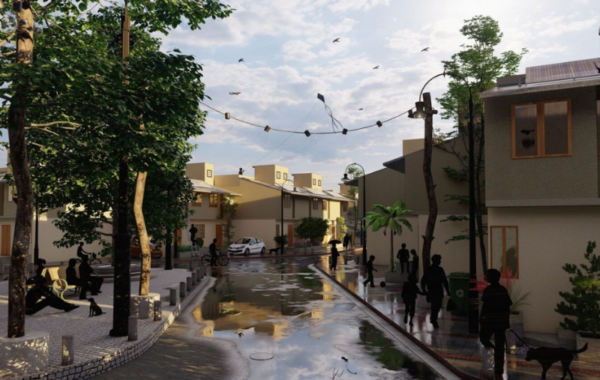

In today’s design landscape, architecture is not just about aesthetics—it is about creating spaces that are sustainable, contextual, and meaningful. One of the most effective ways to achieve this is through the use of Local Materials in Architecture. By sourcing materials from nearby regions, architects can design buildings that are environmentally responsible, cost-effective, and deeply connected to their surroundings.
In India, where each region has its own material identity, the use of local resources has always been part of traditional construction. From the famous tiles of Morbi to natural stone and terracotta, these materials are now being reimagined in modern architecture.
In this blog, we explore how local materials are shaping contemporary design trends and why they are essential for smarter, more sustainable living.
Why Local Materials Matter in Modern Architecture
Using local materials goes beyond aesthetics—it has practical, environmental, and cultural benefits. Materials sourced locally require less transportation, which reduces carbon emissions and overall project costs.
Additionally, these materials are better suited to local climate conditions. For example, stone performs well in hot climates due to its thermal properties, while terracotta helps regulate indoor temperatures naturally.
By incorporating Local Materials in Architecture, designers create buildings that are not only efficient but also rooted in their geographical and cultural context.
Morbi Tiles: Affordable, Versatile & Stylish
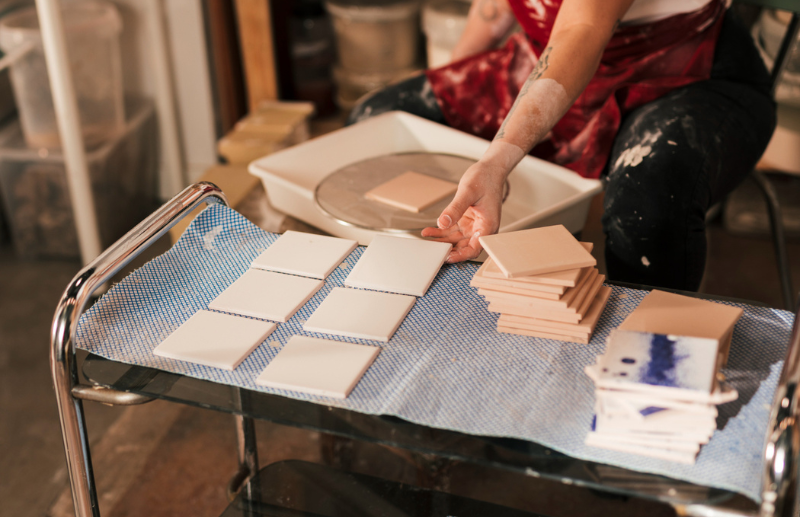
Morbi, a city in Gujarat, has become one of India’s largest hubs for tile manufacturing. Morbi tiles are widely used in both residential and commercial projects due to their affordability, durability, and design variety.
Key advantages include:
- Wide range of textures, colors, and finishes
- Cost-effective compared to imported materials
- Easy maintenance and long-lasting performance
These tiles are suitable for flooring, walls, and even exterior facades. Their adaptability makes them a popular choice in modern architecture, especially for projects that require both style and practicality.
Natural Stone: Timeless Strength & Elegance
Natural stone has been a fundamental building material for centuries, and it continues to play a significant role in contemporary architecture.
Popular options include:
- Sandstone
- Marble
- Granite
- Kota stone
Stone offers unmatched durability and a timeless aesthetic. It also has excellent thermal properties, helping keep interiors cool in hot climates.
Architects often use stone for:
- Exterior cladding
- Flooring
- Landscape elements
Its raw and natural appeal adds depth and character to any design.
Terracotta: Sustainable & Climate-Responsive
Terracotta is one of the most sustainable materials available. Made from natural clay, it is eco-friendly, breathable, and ideal for climate-responsive architecture.
Terracotta is commonly used in:
- Facade screens (jalis)
- Roofing tiles
- Wall cladding
Its porous nature allows air to pass through, improving ventilation and reducing heat buildup. This makes it especially suitable for warm regions.
Terracotta also adds a warm, earthy tone to buildings, creating a strong connection with nature.
Natural Wood: Warmth & Organic Appeal
Wood is another widely used local material that brings warmth and richness to architectural spaces. When sourced responsibly, it is both sustainable and visually appealing.
It is often used for:
- Ceiling treatments
- Doors and windows
- Furniture and detailing
Wood balances the hardness of materials like stone and concrete, creating a more comfortable and inviting environment.
Blending Tradition with Modern Design
One of the most exciting aspects of using local materials is the ability to blend traditional elements with modern design concepts.
For example:
- Combining stone walls with glass facades
- Using terracotta screens in contemporary layouts
- Pairing Morbi tiles with minimalist interiors
This fusion creates designs that are both innovative and rooted in tradition. It allows architects to tell a story through materials while meeting modern lifestyle needs.
Sustainability & Cost Benefits
Local materials play a crucial role in sustainable architecture. By reducing transportation and processing, they lower the environmental impact of construction.
Key benefits include:
- Reduced carbon footprint
- Lower construction costs
- Better climate performance
- Support for local industries
These advantages make local materials a smart choice for both homeowners and developers.
Real-Life Applications in Modern Projects
Local materials are being widely used across different types of projects:
Residential Homes
They create warm, comfortable, and energy-efficient living spaces.
Commercial Buildings
They add character and uniqueness while maintaining durability.
Hospitality Projects
Hotels and resorts use local materials to create authentic and immersive experiences.
This versatility highlights their importance in contemporary architecture.
The Role of Expert Design
While local materials offer many benefits, their effective use requires thoughtful planning and design expertise. It is important to balance aesthetics, functionality, and climate response.
Firms like The Design Umbrella specialize in integrating local materials into modern architectural designs. Their approach ensures that each material is used in a way that enhances both performance and visual appeal.
By understanding the properties of each material, they create spaces that are sustainable, practical, and timeless.
Real Project Spotlight: IOCL Vadodara
At The Design Umbrella, the application of Local Materials in Architecture extends beyond residential projects into large-scale institutional and industrial environments. The IOCL Vadodara project reflects this approach through a careful balance of durability, functionality, and contextual design. The project incorporates locally sourced and climate-suitable materials that enhance performance while reducing environmental impact. Thoughtful planning ensures that the built form responds efficiently to site conditions, with materials playing a key role in thermal performance and long-term maintenance. By combining robust construction techniques with a refined design language, the project demonstrates how local materials can be effectively used even in complex, large-scale developments—creating spaces that are efficient, sustainable, and visually cohesive.
Explore the project in detail here: https://thedesignumbrella.in/portfolio/i-o-c-l-vadodara/
Conclusion
The use of local materials is redefining modern architecture by bringing together sustainability, culture, and design innovation. From the versatility of Morbi tiles to the timeless beauty of natural stone and the eco-friendliness of terracotta, these materials offer endless possibilities.
As the demand for sustainable and meaningful design grows, incorporating local materials will continue to be a key strategy for architects and designers.
If you are planning a new project, choosing the right materials can make a significant difference—not just in how your space looks, but also in how it performs over time. With expert guidance from The Design Umbrella, you can create a design that is both modern and deeply connected to its roots.
Ready to build a space that is stylish, sustainable, and rooted in local identity?
Connect with expert architects today and explore how local materials can transform your project into something truly unique.